Will Spending Too Much Time In Front Of The Screen Worsen Myopia?
Nearsightedness, often called nearsightedness, has recently increased. This was correlated with more time spent indoors focusing on nearby objects and increased use of digital devices. Fortunately, there are steps you can take to reduce the incidence and progression of myopia. Limiting screen time and increasing time outdoors is part of it.
Long days spent in front of the computer

recurring eye fatigue
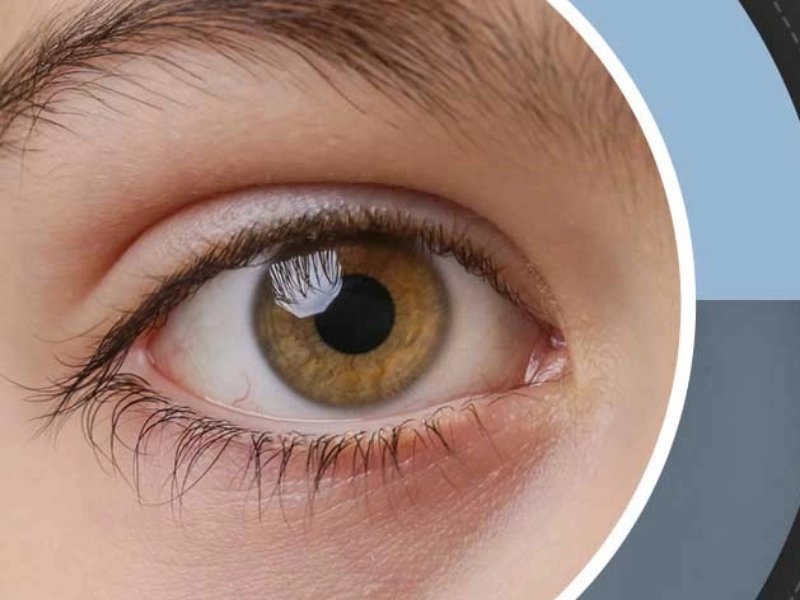 Long periods of staring at a screen can cause dry eyes and irritation in some people. Eye strain is the term for this condition, which can be caused by a number of factors, such as sitting too close to the screen, not blinking enough, and light or glare on the computer screen.
Headaches, feeling tired or blurry in the eyes, and problems with distance vision can all be signs of eye fatigue. It would be wise for a person to consult an optometrist if they frequently experience these symptoms.
Although myopia has a genetic component, it is clear that certain behaviors can accelerate the development of myopia. Fortunately, many of these behaviors can be changed with a few adjustments. Optometrists, for example, may prescribe lenses that slow the onset of myopia or advocate regular breaks and other beneficial screen habits. Additionally, they can remind patients of the importance of annual, thorough eye exams to monitor eye health and stop the progression of myopia.
Long periods of staring at a screen can cause dry eyes and irritation in some people. Eye strain is the term for this condition, which can be caused by a number of factors, such as sitting too close to the screen, not blinking enough, and light or glare on the computer screen.
Headaches, feeling tired or blurry in the eyes, and problems with distance vision can all be signs of eye fatigue. It would be wise for a person to consult an optometrist if they frequently experience these symptoms.
Although myopia has a genetic component, it is clear that certain behaviors can accelerate the development of myopia. Fortunately, many of these behaviors can be changed with a few adjustments. Optometrists, for example, may prescribe lenses that slow the onset of myopia or advocate regular breaks and other beneficial screen habits. Additionally, they can remind patients of the importance of annual, thorough eye exams to monitor eye health and stop the progression of myopia.
Insufficient physical exercise
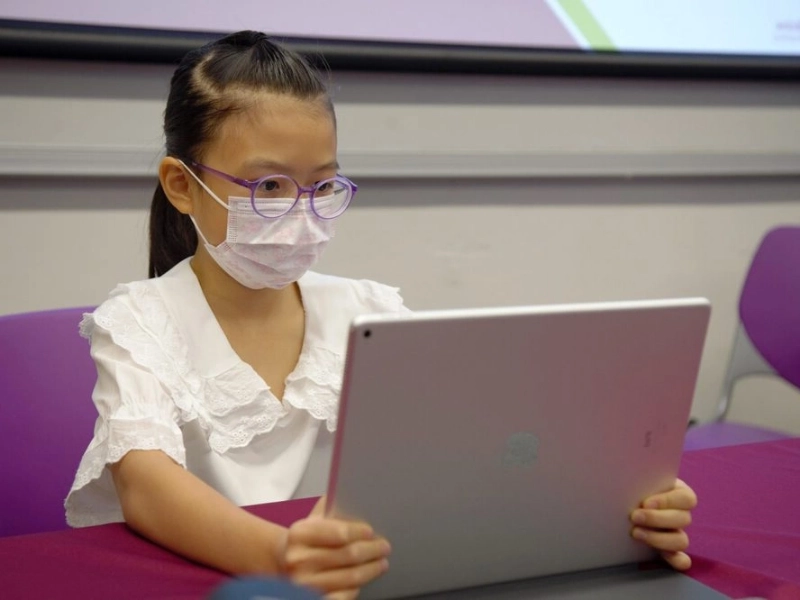 Prolonged screen use can cause overuse and exhaustion of the focusing muscles in your eyes. So you might start to become nearsighted. This situation causes distant objects to appear blurry while close objects appear sharp. Myopia has no known cure, but with proper care its growth can be delayed.
Excessive screen use can cause dry eyes in addition to myopia. It can also, in rare circumstances, lead to evaporation of the meibomian glands, which would destabilize the tear film.
Fortunately, there are techniques to prevent too much screen time from harming your vision. The secret is to avoid spending more than two hours a day in front of a screen and to take regular breaks from digital devices. It is also essential to maintain a healthy diet, get enough sleep and engage in physical activity. Finally, it is essential to schedule routine eye exams with your optometrist.
Prolonged screen use can cause overuse and exhaustion of the focusing muscles in your eyes. So you might start to become nearsighted. This situation causes distant objects to appear blurry while close objects appear sharp. Myopia has no known cure, but with proper care its growth can be delayed.
Excessive screen use can cause dry eyes in addition to myopia. It can also, in rare circumstances, lead to evaporation of the meibomian glands, which would destabilize the tear film.
Fortunately, there are techniques to prevent too much screen time from harming your vision. The secret is to avoid spending more than two hours a day in front of a screen and to take regular breaks from digital devices. It is also essential to maintain a healthy diet, get enough sleep and engage in physical activity. Finally, it is essential to schedule routine eye exams with your optometrist.
Mental health difficulties
 Your mental health can suffer if you spend too much time in front of a screen, especially in the hours before bed. According to studies, using a gadget right before bed can disrupt your REM sleep cycle and negatively impact your sleep pattern.
Long-term screen time can also lead to a sedentary lifestyle, which increases the risk of obesity, poor diet and other health problems. Additionally, screens can distract you from other healthy activities like exercising, playing board games, going for walks, or spending time with friends and family.
People who have a family history of myopia are more likely to have myopia, and if you spend too much time doing "near work," such as reading, using a computer, or performing other tasks at close range, your myopia can get worse. However, you can reduce your risk of developing myopia and slow or stop its progression by taking preventative measures.
Your mental health can suffer if you spend too much time in front of a screen, especially in the hours before bed. According to studies, using a gadget right before bed can disrupt your REM sleep cycle and negatively impact your sleep pattern.
Long-term screen time can also lead to a sedentary lifestyle, which increases the risk of obesity, poor diet and other health problems. Additionally, screens can distract you from other healthy activities like exercising, playing board games, going for walks, or spending time with friends and family.
People who have a family history of myopia are more likely to have myopia, and if you spend too much time doing "near work," such as reading, using a computer, or performing other tasks at close range, your myopia can get worse. However, you can reduce your risk of developing myopia and slow or stop its progression by taking preventative measures.