Why Can't We Eat The Skin Of Avocados?
Avocado skin is edible and offers some health benefits whether you're making guacamole or adding it to a smoothie. But the skin has a harsh taste and is difficult to eat. Additionally, it contains persin, a substance that can be toxic to animals. It contains flavonoids and phenols, which can prevent diabetes and lower cholesterol. Additionally, it contains lutein and zeaxanthin, which may help prevent cataracts and macular degeneration.
His skin is tough.
It contains saponin.
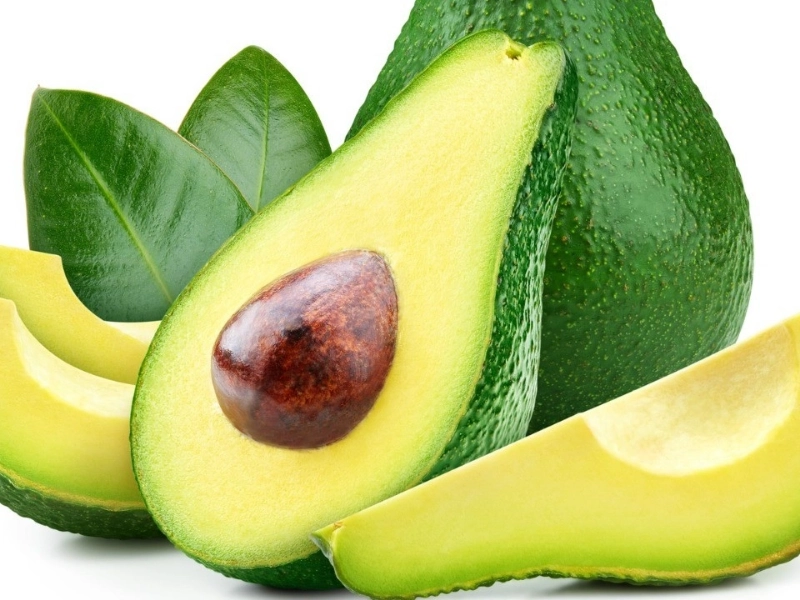 Persin, a substance found in avocado skin, is toxic to dogs and animals. However, it is safe for humans to consume. It also offers a considerable amount of nutritional fiber. It can be added to salads, smoothies or eaten raw. Consuming the skin is a great way to get more soluble fiber, healthy fats, and vitamin E into your diet.
If an avocado is overripe and has an unpleasant smell or taste, it should not be eaten. If they have mold, you should also throw them away, as people with latex allergies may have difficulty breathing.
Avocados are not as healthy as other antioxidant-rich fruits, such as oranges, apricots, and blueberries. Compared to avocados, these fruits have a higher dietary fiber content and are packed with vitamins and minerals.
Persin, a substance found in avocado skin, is toxic to dogs and animals. However, it is safe for humans to consume. It also offers a considerable amount of nutritional fiber. It can be added to salads, smoothies or eaten raw. Consuming the skin is a great way to get more soluble fiber, healthy fats, and vitamin E into your diet.
If an avocado is overripe and has an unpleasant smell or taste, it should not be eaten. If they have mold, you should also throw them away, as people with latex allergies may have difficulty breathing.
Avocados are not as healthy as other antioxidant-rich fruits, such as oranges, apricots, and blueberries. Compared to avocados, these fruits have a higher dietary fiber content and are packed with vitamins and minerals.
This might be difficult to deal with.
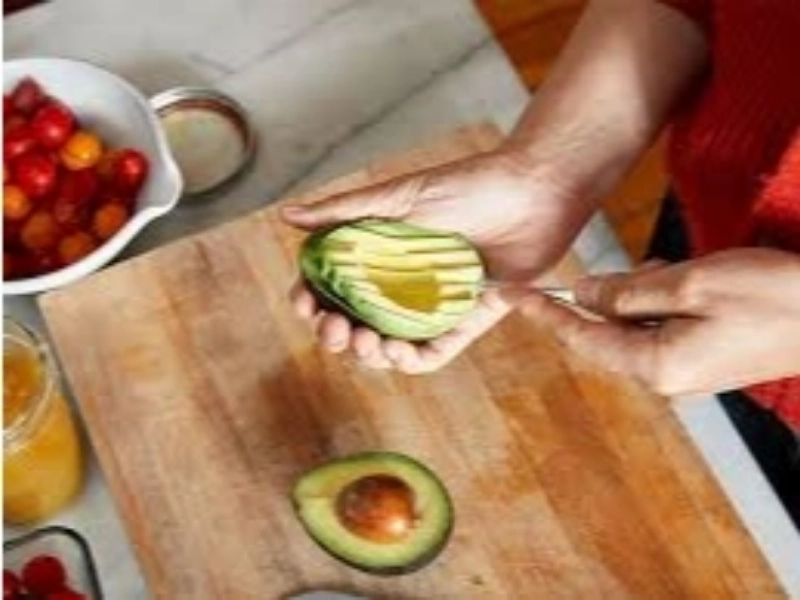 Dietary fiber, essential for a healthy digestive tract, is abundant in avocados. Avocados are rich in dietary fiber, which forms a protective barrier around the gastrointestinal tract to prevent dangerous substances from entering the body. Plus, it feeds the good bacteria in your intestines.
In addition to its nutrient-rich flesh, the avocado skin also contains flavonoids and phenols. However, the body has difficulty absorbing these nutrients.
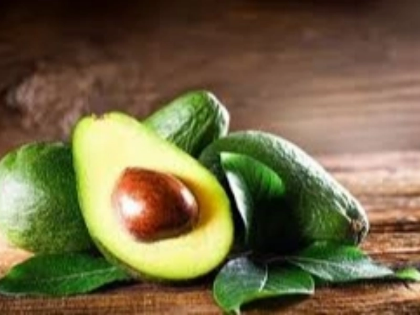
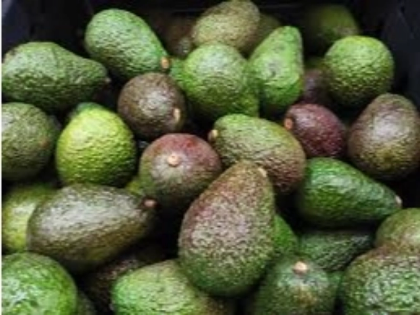
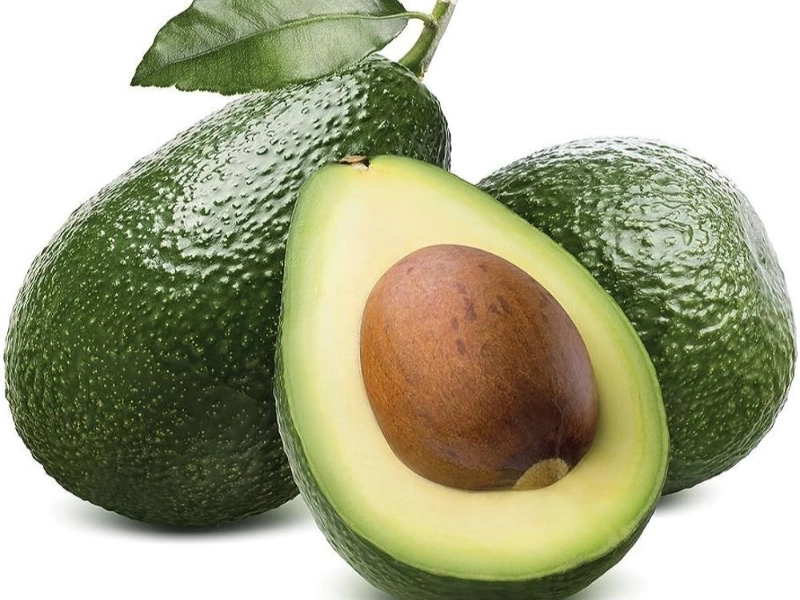
The skin of the avocado is rough, leathery and dark; it is usually thrown away. Most people use a spoon to eat avocados or remove the pit and skin before eating the meat. It is unfortunate, however, that some of the healthiest portions of the avocado are thrown away.
Dietary fiber, essential for a healthy digestive tract, is abundant in avocados. Avocados are rich in dietary fiber, which forms a protective barrier around the gastrointestinal tract to prevent dangerous substances from entering the body. Plus, it feeds the good bacteria in your intestines.
In addition to its nutrient-rich flesh, the avocado skin also contains flavonoids and phenols. However, the body has difficulty absorbing these nutrients.
The skin of the avocado is rough, leathery and dark; it is usually thrown away. Most people use a spoon to eat avocados or remove the pit and skin before eating the meat. It is unfortunate, however, that some of the healthiest portions of the avocado are thrown away.
It could be harmful.
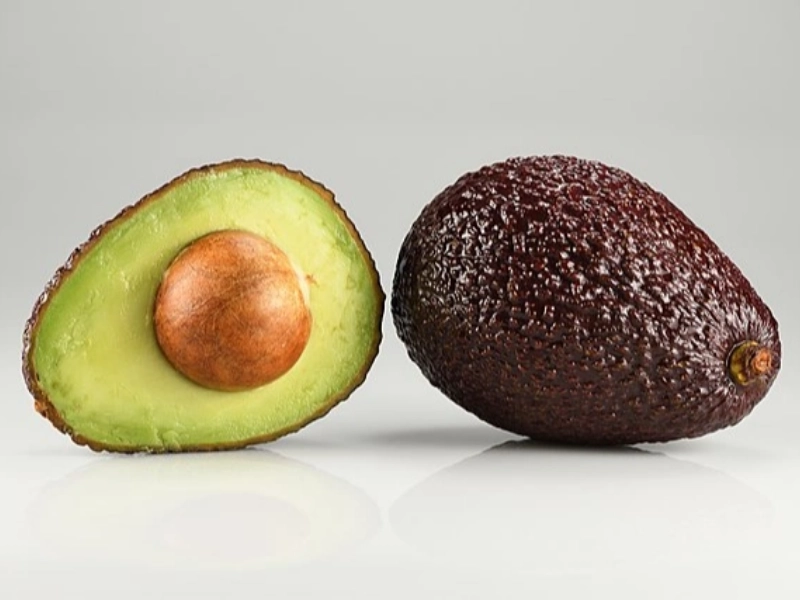 Although it is okay to consume it, make sure to wash the avocado skin well. Cleaning can reduce oxidation and help prevent bacteria from polluting the inner flesh. Additionally, it's a good idea to use a vegetable brush to scrub the skin and then rinse it with cool water.
Avocado skin is an excellent source of minerals and vitamins, including phytochemicals. These nutrients can help the body fight oxidative stress and inflammation. They can also strengthen the immune system. Additionally, the skin of an avocado contains a substance called persin which works as a natural fungicide.
Be sure to get a ripe avocado if you want to eat the skin. When pressed, it should yield under pressure and be pliable. Avoid overripe avocados, as they may rot and acquire an artificial taste. Avocados with a moldy appearance or sour taste should also be avoided. A rotten avocado should be thrown away because it can be dangerous to consume.
Although it is okay to consume it, make sure to wash the avocado skin well. Cleaning can reduce oxidation and help prevent bacteria from polluting the inner flesh. Additionally, it's a good idea to use a vegetable brush to scrub the skin and then rinse it with cool water.
Avocado skin is an excellent source of minerals and vitamins, including phytochemicals. These nutrients can help the body fight oxidative stress and inflammation. They can also strengthen the immune system. Additionally, the skin of an avocado contains a substance called persin which works as a natural fungicide.
Be sure to get a ripe avocado if you want to eat the skin. When pressed, it should yield under pressure and be pliable. Avoid overripe avocados, as they may rot and acquire an artificial taste. Avocados with a moldy appearance or sour taste should also be avoided. A rotten avocado should be thrown away because it can be dangerous to consume.