Advertisement
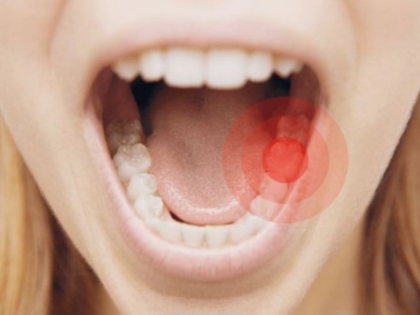
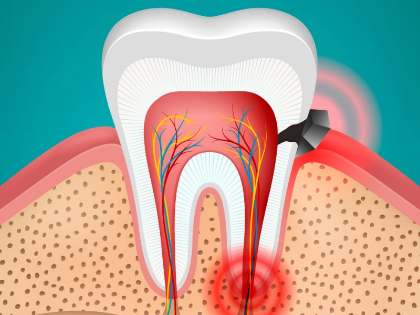
You may have toothache due to a variety of conditions, including infection, gum disease, tooth damage, tooth decay, or endodontic nerve damage.
Infections caused by bacteria can be treated with antibiotics, usually prescribed by a dentist.
Amoxicillin

Amoxicillin has fewer significant side effects than other antibiotics used to treat dental infections. Amoxicillin can fight all kinds of bacteria and is one of the most effective antibiotics currently available.
The medication is available in the form of capsules, tablets or oral suspension. It should be taken twice a day or every 12 hours with or without meals.
Pharmacists can prepare liquid Amoxicillin for those who have difficulty swallowing capsules. They will provide you with a syringe or plastic spoon so you can measure your dose accurately.
By taking the recommended dose of Amoxicillin, your infection will be treated effectively and will not return. Skipping a dose can lead to faster bacterial growth, making future treatments more difficult.
penicillin

Among the best antibiotics for toothache, penicillin can inhibit the growth of bacteria such as staph and strep, making it more effective to treat recurring infections.
However, some people may be allergic to penicillin. After taking this medication, they may develop a rash, hives, or mild wheezing.
Dentists often recommend alternatives to Amoxicillin, Clindamycin, and Cefalexin.
Penicillin was first synthesized in the 1930s by Howard Florey and Ernst Chain of the Sir William Dunn School of Pathology at the University of Oxford. To provide a cost-effective source for research and clinical trials, they ferment Pseudomonas yellows in deep vats.
Clindamycine

The most common infections caused by bacteria are those of the throat, skin, blood and female genitals. Clindamycin is a broad-spectrum antibiotic that works to inhibit the growth of bacteria.
In addition to treating pneumonia, it can also be used to treat a dangerous neck infection called a deep neck abscess that can cause swallowing and breathing problems.
In addition to treating certain sexually transmitted diseases (STDs), Clindamycin is typically taken three times daily in doses of 300 to 600 mg.
Clindamycin may harm your liver and kidney function, especially if you have a history of these conditions.
To ensure the safety of patients taking Clindamycin, it is advised not to drink alcohol while taking this medication. Alcohol may irritate your stomach and reduce the effectiveness of this medication.
cephalexin

Infections caused by bacteria, such as toothaches, can be treated with antibiotics that kill the bacteria and inhibit their growth.
To treat a dental infection, your dentist may recommend antibiotics such as penicillin, amoxicillin, Clindamycin, and Cefalexin as part of your treatment plan.
These medications can also cause side effects such as diarrhea and skin rashes. Contact your doctor immediately if you experience any of these symptoms.
If you have a dental infection, take cefampicin as directed by your healthcare provider. Do not take more than one dose at a time.