
Advertisement
If you have no appetite, it may be due to a medical condition or problem. Once the underlying problem is resolved, your appetite will be restored.
Signs of fatigue and loss of appetite often indicate an underlying health problem, but these usually resolve on their own.
depression

Loss of appetite and fatigue can indicate several conditions, such as depression, medications, or other health problems. If these symptoms persist, seek professional help.
According to Dr. Johnston, a doctor or dietitian can prescribe nutritional supplements for weight loss and deficiencies. They can also recommend meal plans that are easy to digest.
In a study published last month, scientists found that when people's appetite increases, their brains respond more quickly to food stimuli than when their appetite decreases. This discovery could help explain certain types of depression.
Increased appetite caused by depression is associated with presumed overactivation of central limbic cortical reward circuits (graph with red background). Conversely, decreased appetite associated with depression is associated with low activation of the middle insulin cortex, a region previously associated with intersensory and homeostatic signaling (blue background graph). Based on these findings, appetite changes associated with depression differ from those caused by these two regions.
drugs

It is not uncommon for appetite to change due to a variety of factors, including mood changes and side effects of medications (such as stimulants, antibiotics, blood pressure medications, and heart disease medications). over-the-counter colds).
Serotonin syndrome is a rare but potentially fatal condition that results from a combination of antidepressants and medications that act on serotonin, such as ivy (a medication used to treat migraines).
Sometimes a loss of appetite can indicate a more serious condition, such as cancer, or may be a symptom of a mental health problem, such as anxiety or depression.
In addition to persistent loss of appetite, a person should also see a doctor if they experience other symptoms, such as unexplained weight loss or swelling. Vitamin and mineral deficiencies may require testing.
kidney or liver disease
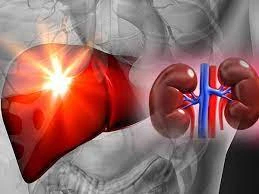
When your kidneys filter waste and excess fluid from the blood, they play a vital role in maintaining good health. Damaged kidneys can cause a buildup of toxins that make you feel tired and unable to eat.
It is well known that liver failure occurs when liver tissue becomes scarred, rendering it unable to perform its essential functions of filtering toxins from the blood and controlling infections.
Hepatocellular carcinoma is more common in men than women and can be fatal if left untreated. Cirrhosis can cause cancer in some people.
The kidneys excrete waste products in urine to prevent jaundice or yellowing of the skin and eyes.
Studies have shown that in patients with liver diseases such as primary biliary cirrhosis and primary cirrhotic cholangitis, fatigue may be caused by changes in the brain's direct communication with the liver.
constraint

When the brain responds to stress, corticosteroids and Neuropeptides are released into the body.
Stressful situations can sometimes lead to overwhelming reactions that lead to fatigue. Fortunately, this symptom usually goes away when stress subsides.
If you feel tired or have a poor appetite, this may not necessarily indicate that you have a serious illness; However, if these symptoms persist after changing your diet or sleep schedule, contact your doctor for further evaluation.
Mental health problems such as depression or sadness can lead to fatigue and loss of appetite. Treatments vary depending on the severity of the disease.
In addition to feeling depressed and hopeless most of the time, people with these illnesses may lose interest in activities (like eating) or even life itself.