Advertisement
Whether you suffer from benign prostatic hyperplasia, urinary incontinence, or need help counting sperm, maintaining good nutrition and lifestyle habits is essential.
With a nutritious and balanced diet, you can protect yourself against various urinary diseases while helping prevent prostate cancer.
rich in Omega 3 fatty acids
In addition to supporting your heart, blood vessels and immune system, Omega - 3 oils from fish also provide essential fatty acids for cell growth and development.
EPA and DHA are polyunsaturated fatty acids found in fatty fish and plant sources such as flaxseeds, Chia seeds, walnuts and flaxseed oil.
Studies have also shown that Omega - 3 fatty acids reduce blood triglyceride levels while increasing HDL cholesterol. Omega - 3 fatty acids protect against serious diseases such as cancer, heart disease and autoimmune diseases.
The study also found that Omega - 3 consumption may reduce the risk of prostate cancer in men who consume higher levels of Omega - 3. However, more research is needed to confirm these findings.
high vitamin E content

Probably because antioxidant-rich foods like fruits, vegetables, nuts, and fish protect against free radical damage, eating a diet rich in these foods may reduce cancer risk.
Vitamin E is an essential Nutrient for promoting health and fighting inflammation and also plays an important role in cellular communication, which can help prevent disease.
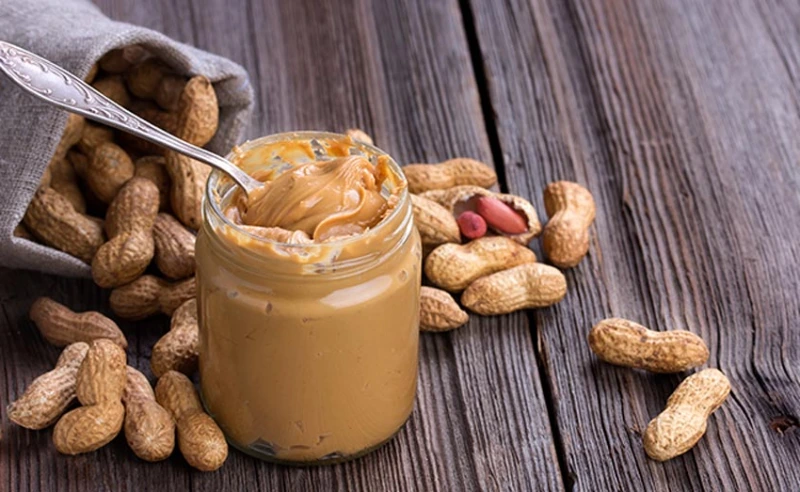
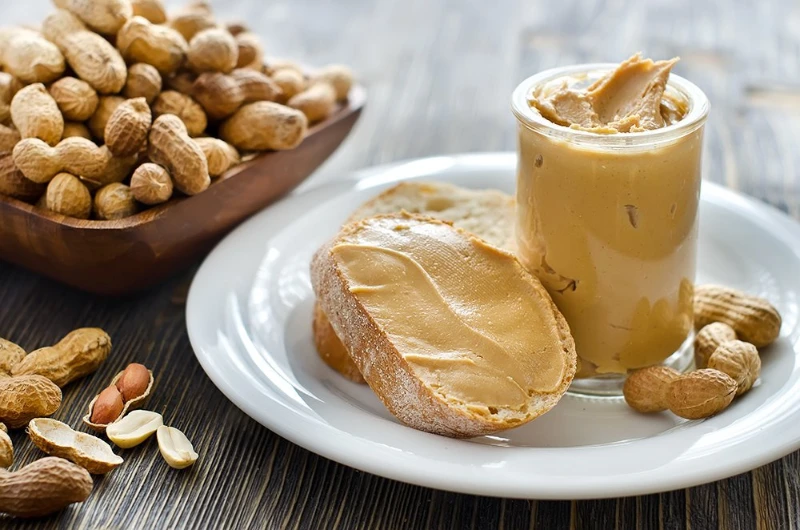
Various foods like peanut butter contain this nutrient which may reduce your risk of cancer, heart disease and chronic illnesses.
Adding peanut butter to breakfast is a great way to start the day healthy. Mixing whole grain bread, peanut butter and half a cup of skim milk together is a good place to start.
high vitamin B6 content

In addition to helping with the breakdown of proteins, carbohydrates and fats, vitamin B6 supports heart health, brain function and hormonal balance.
This nutrient is found in many foods and is especially important for pregnant or breastfeeding women. It helps produce hemoglobin and neurotransmitters that are essential for your body to function.
Consuming too much vitamin B12 can lead to side effects such as anemia, skin lesions, and even nerve damage. It is best to obtain this nutrient from a variety of food sources and avoid excessive supplements.
In addition to fighting free radicals, berries, especially wild and organic varieties, may benefit prostate health as antioxidants. Additionally, they contain vitamin C, an important therapeutic vitamin that reduces the growth of tumor cells while combating the symptoms of benign prostatic hyperplasia (BPH).
high magnesium content

In addition to supporting bone and muscle development, magnesium regulates blood sugar levels, maintains a stable heart rate, and maintains a healthy immune system. It can also reduce stress by regulating mood and regulating immunity.
For your body to function properly, magnesium is essential for more than 300 biochemical reactions. Without it, there is no energy to do whatever is necessary!
It's easy to get the recommended amount of magnesium from a variety of foods. Black beans, kidney beans, and edamame (hulled soybeans) are excellent sources of this important nutrient.
With half a cup of legumes, you will provide your recommended daily intake of magnesium (RDI). Add a little peanut butter or Edamame to your nutritious soup for an extra 26.9 mg!
To prevent deficiencies, limit your intake of processed foods and sugar.