How To Improve Vision
By doing several things, you can improve your vision and protect it from diseases and trauma that could lead to blindness. By eating well, exercising frequently, quitting smoking, and wearing sunglasses, you can improve your vision. To learn more about these suggestions, keep reading.
1. Eat a healthy diet
2. Exercise
 Exercise has several benefits, including reducing stress, improving cardiovascular health, helping with weight loss, and providing continued energy.
Cardiovascular activity also protects against damage to retinal ganglion cells, which send visual information to the brain and are a major cause of eye disorders and visual impairment.
Refocusing is a second eye exercise that helps reduce eye fatigue and improve vision. It helps relax the eyes by focusing on something close (like your thumb) and then moving to something far away (like the sky) after spending too many hours staring at a screen.
Exercise has several benefits, including reducing stress, improving cardiovascular health, helping with weight loss, and providing continued energy.
Cardiovascular activity also protects against damage to retinal ganglion cells, which send visual information to the brain and are a major cause of eye disorders and visual impairment.
Refocusing is a second eye exercise that helps reduce eye fatigue and improve vision. It helps relax the eyes by focusing on something close (like your thumb) and then moving to something far away (like the sky) after spending too many hours staring at a screen.
3. Stop smoking.
 Quitting smoking not only makes you feel better, but it also reduces your risk of heart disease, lung cancer, and vision problems.
You need an achievable personal goal if you want to successfully break a habit. Protecting your loved ones or reducing your risk of heart disease and lung cancer should be your main goals.
Talk to your doctor about the different support programs available to you, such as counseling, medications, hypnotherapy, and classes and apps to help you quit smoking.
It's important to understand that when you first quit smoking, you may occasionally experience relapses, although these are usually brief and easily preventable. Consider using alternative coping mechanisms to deal with daily stress and annoyances rather than lighting up a cigarette.
Quitting smoking not only makes you feel better, but it also reduces your risk of heart disease, lung cancer, and vision problems.
You need an achievable personal goal if you want to successfully break a habit. Protecting your loved ones or reducing your risk of heart disease and lung cancer should be your main goals.
Talk to your doctor about the different support programs available to you, such as counseling, medications, hypnotherapy, and classes and apps to help you quit smoking.
It's important to understand that when you first quit smoking, you may occasionally experience relapses, although these are usually brief and easily preventable. Consider using alternative coping mechanisms to deal with daily stress and annoyances rather than lighting up a cigarette.
4. Wear sunglasses
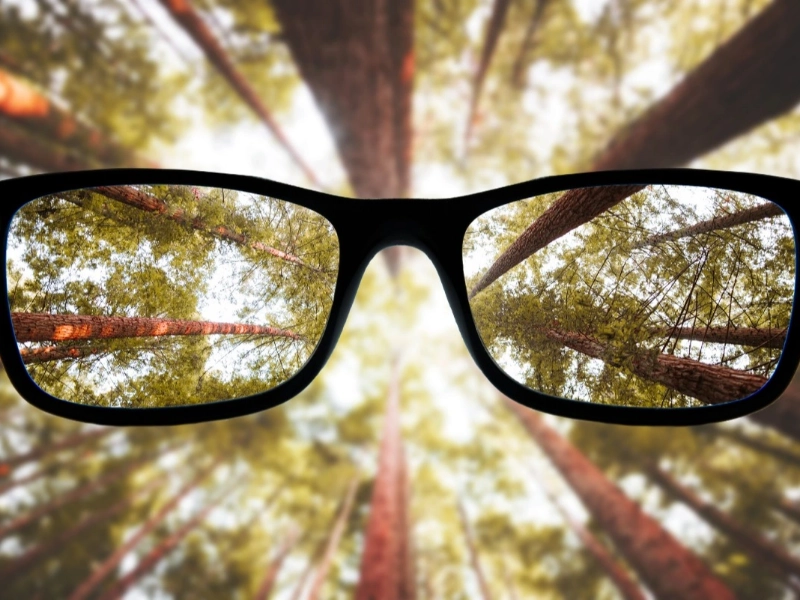
 You are sure to find the perfect pair of sunglasses as they are available in a variety of designs and tints. Sunglasses improve vision, reduce glare and protect eyes from UV rays.
To protect your eyes from UV rays and avoid problems like cataracts, glaucoma and macular degeneration, wear sunglasses all year round.
By wearing sunglasses, you can reduce sun glare and protect your eyes from wind-borne particles. This is especially crucial if you practice winter sports like snow or water skiing.
You are sure to find the perfect pair of sunglasses as they are available in a variety of designs and tints. Sunglasses improve vision, reduce glare and protect eyes from UV rays.
To protect your eyes from UV rays and avoid problems like cataracts, glaucoma and macular degeneration, wear sunglasses all year round.
By wearing sunglasses, you can reduce sun glare and protect your eyes from wind-borne particles. This is especially crucial if you practice winter sports like snow or water skiing.
5. Consult an ophthalmologist
 Keeping your eyes healthy requires routine exams. When significant problems are discovered early, they can be treated before they progress or lead to irreversible vision loss.
For most individuals, a dilated eye exam, in which a medical optometrist takes a closer look at your eyes, as well as an annual comprehensive eye exam are advised.
Tonometry, which measures intraocular pressure (IOP) or fluid pressure inside the eye, can also be used to diagnose glaucoma.
Keeping your eyes healthy requires routine exams. When significant problems are discovered early, they can be treated before they progress or lead to irreversible vision loss.
For most individuals, a dilated eye exam, in which a medical optometrist takes a closer look at your eyes, as well as an annual comprehensive eye exam are advised.
Tonometry, which measures intraocular pressure (IOP) or fluid pressure inside the eye, can also be used to diagnose glaucoma.