How Much Exercise Is Too Important For Longevity?
Exercise is one of the best things you can do for your health. You can extend your life, reduce your risk of heart disease, and lose weight by exercising. It seems there is a limit to the amount of work needed to achieve good results.
Moderate exercise
Vigorous exercise
 When a person exercises vigorously, that is, with a heart rate above 60% of their maximum heart rate, they are engaging in high-intensity physical activity. Examples of such activities are cycling, jogging and singles tennis.
People who frequently participate in strenuous exercise have a longer life expectancy and are less likely to die from diabetes, cardiovascular disease and other illnesses. It's also a great strategy for controlling blood pressure, losing weight, and preventing plaque from building up in your arteries.
It is advisable to talk to your doctor before starting a new fitness program. As your fitness level increases, start with moderate-intensity activities and gradually increase the intensity.
When a person exercises vigorously, that is, with a heart rate above 60% of their maximum heart rate, they are engaging in high-intensity physical activity. Examples of such activities are cycling, jogging and singles tennis.
People who frequently participate in strenuous exercise have a longer life expectancy and are less likely to die from diabetes, cardiovascular disease and other illnesses. It's also a great strategy for controlling blood pressure, losing weight, and preventing plaque from building up in your arteries.
It is advisable to talk to your doctor before starting a new fitness program. As your fitness level increases, start with moderate-intensity activities and gradually increase the intensity.
Combined exercise
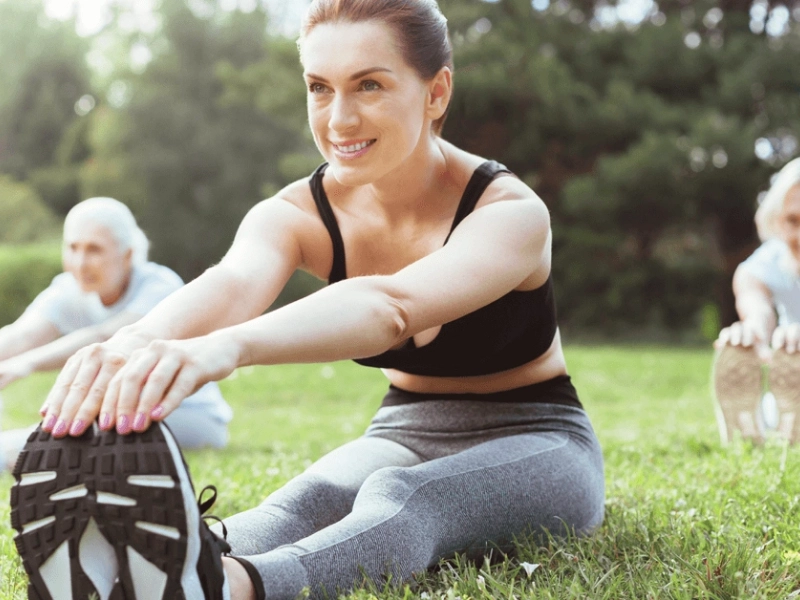 Combining activities will help you gain muscle mass and burn lots of calories. They are also great for increasing your fitness level and burning fat.
Combination exercises combine two different movements to produce a challenging exercise that works both your upper and lower body. Although they can be difficult to learn, they have many benefits.
If you are short on training hours or have limited space at the gym, they not only allow you to exercise the whole body in less time than you think, but they also provide diversity on your program. You can have a healthy lifestyle if you figure out what's best for you. The ideal workout for your lifespan varies depending on your personal goals and tastes.
Combining activities will help you gain muscle mass and burn lots of calories. They are also great for increasing your fitness level and burning fat.
Combination exercises combine two different movements to produce a challenging exercise that works both your upper and lower body. Although they can be difficult to learn, they have many benefits.
If you are short on training hours or have limited space at the gym, they not only allow you to exercise the whole body in less time than you think, but they also provide diversity on your program. You can have a healthy lifestyle if you figure out what's best for you. The ideal workout for your lifespan varies depending on your personal goals and tastes.
Stretching and balance training
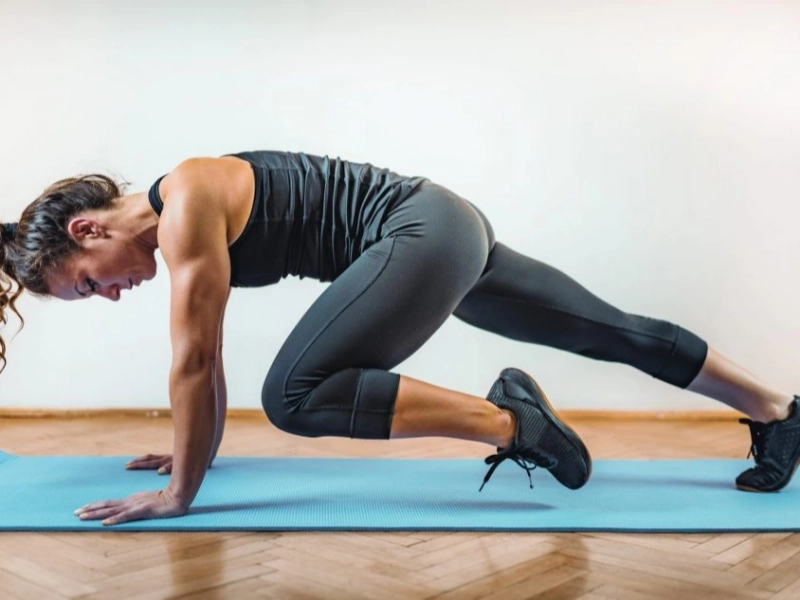 In older adults, keeping muscles flexible helps prevent joint pain and damage from falls. Balance and flexibility are crucial elements of any fitness program.
Stretching helps you relax and reduce your stress levels, which can lead to a variety of health problems, such as lactic acid buildup in your muscles after an exercise session, which can contribute to soreness and soreness. exhaustion.
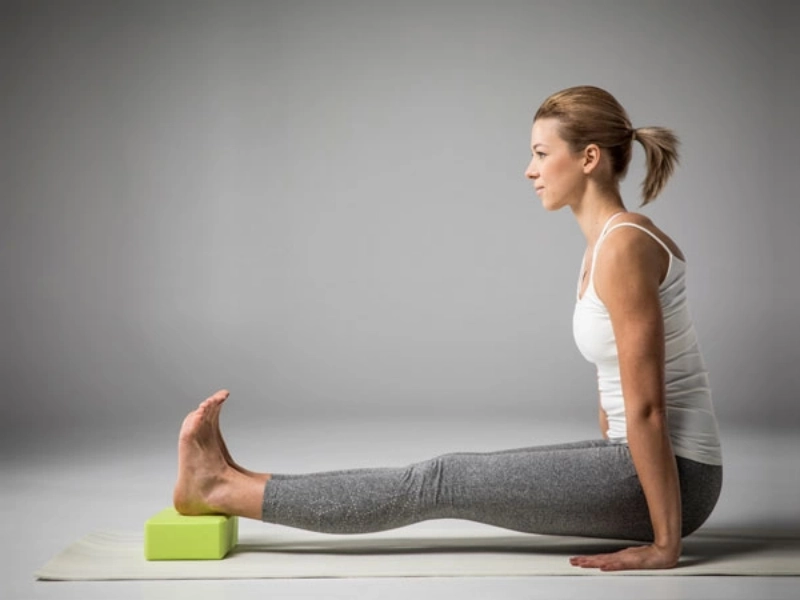
Stretching is recommended before and after an exercise session. Dynamic stretching is a stretching method that improves range of motion, stimulates blood flow to your muscles, and improves your athletic performance.
If you're not very flexible, a physical therapist can recommend stretches that are safe for your condition.
In older adults, keeping muscles flexible helps prevent joint pain and damage from falls. Balance and flexibility are crucial elements of any fitness program.
Stretching helps you relax and reduce your stress levels, which can lead to a variety of health problems, such as lactic acid buildup in your muscles after an exercise session, which can contribute to soreness and soreness. exhaustion.
Stretching is recommended before and after an exercise session. Dynamic stretching is a stretching method that improves range of motion, stimulates blood flow to your muscles, and improves your athletic performance.
If you're not very flexible, a physical therapist can recommend stretches that are safe for your condition.