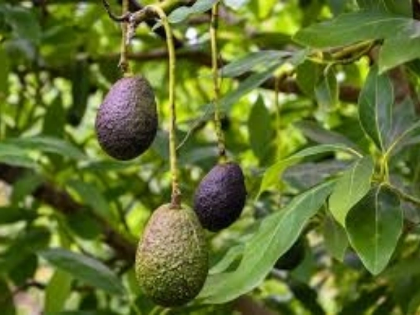
Enemies of Avocados
Avocado NaysayersThe high fiber, magnesium, and folate content of avocados makes them a beneficial addition to any diet. They also provide monounsaturated fats and potassium. Thrips are commonly seen in avocado plantations in California, where they feed on leaves and fruit as larvae and adults. Thrips density can be reduced to non-damaging levels by various generalist predators and parasitoids.
Tripps
Herbs
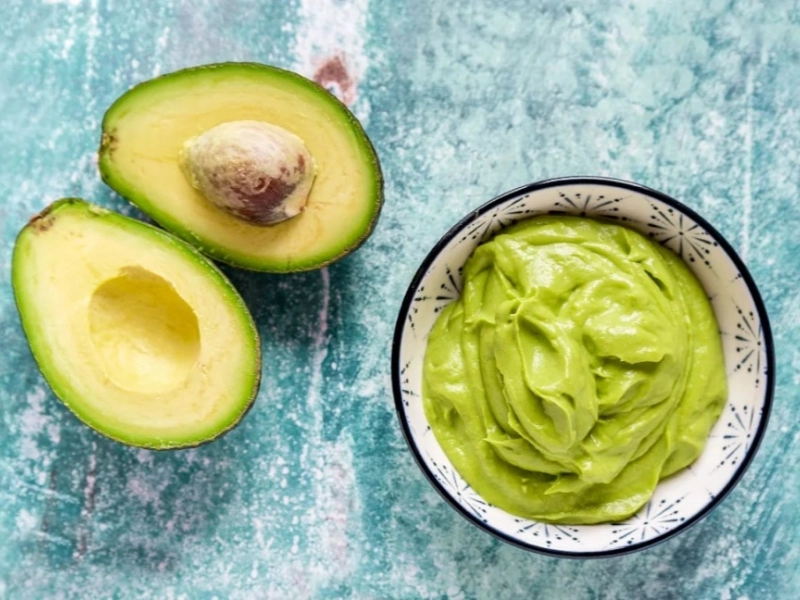
 The leaves and pits of the avocado (Persea americana) are used in several traditional medicines. In addition to using the seeds to flavor foods and create a reddish-brown to blackish ink for writing, the Aztecs pressed the seeds to extract an oil that relieved toothaches, bronchitis, diarrhea, and upset stomachs. .
Weeds can harbor important pests and diseases in avocado growing, in addition to competing with plants for nutrients, water and sunlight. An effective weed control program is essential for producing high quality avocados.
The most common weed species in avocado orchards include longspine sandbur, barnyardgrass, bermudagrass, nutsedge, dallisgrass, and field bindweed. Herbicide treatments and cultural methods are combined to manage these weeds.
Some tropical ornamental plants that like full sun may burn or turn brownish in areas where they spend a lot of time in full sun. If the soil dries out too soon in direct sunlight, it can also become dehydrated.
The leaves and pits of the avocado (Persea americana) are used in several traditional medicines. In addition to using the seeds to flavor foods and create a reddish-brown to blackish ink for writing, the Aztecs pressed the seeds to extract an oil that relieved toothaches, bronchitis, diarrhea, and upset stomachs. .
Weeds can harbor important pests and diseases in avocado growing, in addition to competing with plants for nutrients, water and sunlight. An effective weed control program is essential for producing high quality avocados.
The most common weed species in avocado orchards include longspine sandbur, barnyardgrass, bermudagrass, nutsedge, dallisgrass, and field bindweed. Herbicide treatments and cultural methods are combined to manage these weeds.
Some tropical ornamental plants that like full sun may burn or turn brownish in areas where they spend a lot of time in full sun. If the soil dries out too soon in direct sunlight, it can also become dehydrated.
the rats
 Avocados are susceptible to severe leaf and fruit damage from piercing-sucking mites. During the flowering season, manage them by using neem oil and horticultural oil every two to three weeks.
Except in the Central Valley, avocado growing areas in California are heavily infested with Persea mites (Euseiulus californicus). They cause damage to avocado trees by producing white webbing while feeding on the leaves. Heavily infested trees lose their leaves, exposing the fruit to sunburn and reducing harvests.
Predators of persea mites include rove beetles, brown lacewings, green lacewings, black hunting thrips and mite destroyers (Stethorus picipes). Many companies that sell organic pest control products also supply predatory mites. Release them in early spring, before persea mite populations become abundant, and they will quickly take control. Galendromus annectens, the smallest known mite predator, is also a powerful predator. It consumes a variety of thrips and phytoseiid mites, including those found in avocado orchards. It can hide in spider mite webs due to its small size.
Avocados are susceptible to severe leaf and fruit damage from piercing-sucking mites. During the flowering season, manage them by using neem oil and horticultural oil every two to three weeks.
Except in the Central Valley, avocado growing areas in California are heavily infested with Persea mites (Euseiulus californicus). They cause damage to avocado trees by producing white webbing while feeding on the leaves. Heavily infested trees lose their leaves, exposing the fruit to sunburn and reducing harvests.
Predators of persea mites include rove beetles, brown lacewings, green lacewings, black hunting thrips and mite destroyers (Stethorus picipes). Many companies that sell organic pest control products also supply predatory mites. Release them in early spring, before persea mite populations become abundant, and they will quickly take control. Galendromus annectens, the smallest known mite predator, is also a powerful predator. It consumes a variety of thrips and phytoseiid mites, including those found in avocado orchards. It can hide in spider mite webs due to its small size.
mushrooms
 Many fungal infections belonging to the Botryosphaeriaceae family can affect avocado plants. The type of fungus and the environment in which it grows determine the symptoms of various disorders.
Wilting foliage and inflorescences, wilting fruit, dry branches and trunks, oozing cankers that leak a dark-colored liquid or powdery fluid, and a decrease in harvestable yield are all signs of the rot fungus from the roots of the avocado, Armillaria. Affected trees often die.
Many distinct fungi that thrive in dense canopies with plenty of dead wood and an ideal environment for growth are those that cause anthracnose and stem end rot. A comprehensive strategy is needed to control these fungi, which involves managing the canopy, harvesting in dry weather, removing dead wood, maintaining a balanced fertilization program, and appropriate use of copper and minerals. azoxystrobin.
Recently, in avocado orchards, a distinct isolate of the genus Lasiodiplodia was found. It is linked to post-harvest stem tip rot, dieback, leaf blight and trunk canker. Before the number of harmful thrips in the orchard reaches economically destructive levels, it can be suppressed by seasonal inoculation of plants with this special strain (Franklinothrips vespiformis).
Many fungal infections belonging to the Botryosphaeriaceae family can affect avocado plants. The type of fungus and the environment in which it grows determine the symptoms of various disorders.
Wilting foliage and inflorescences, wilting fruit, dry branches and trunks, oozing cankers that leak a dark-colored liquid or powdery fluid, and a decrease in harvestable yield are all signs of the rot fungus from the roots of the avocado, Armillaria. Affected trees often die.
Many distinct fungi that thrive in dense canopies with plenty of dead wood and an ideal environment for growth are those that cause anthracnose and stem end rot. A comprehensive strategy is needed to control these fungi, which involves managing the canopy, harvesting in dry weather, removing dead wood, maintaining a balanced fertilization program, and appropriate use of copper and minerals. azoxystrobin.
Recently, in avocado orchards, a distinct isolate of the genus Lasiodiplodia was found. It is linked to post-harvest stem tip rot, dieback, leaf blight and trunk canker. Before the number of harmful thrips in the orchard reaches economically destructive levels, it can be suppressed by seasonal inoculation of plants with this special strain (Franklinothrips vespiformis).