Does Avocados Make You Look Younger?
Are avocados good for your complexion? Avocado toast, a millennial staple, or guacamole may come to mind when you think of avocados. However, the nutrients in these gorgeous greens help keep your skin fresh. The fatty acids in avocados can even smooth wrinkles and nourish parched skin. They also help in the absorption of fat-soluble vitamins.
1. Rich in vitamin C
2. Rich in protective agents
 Avocados are packed with nutrients that are good for your skin, whether you use them to make guacamole or apply them as a mask. Antioxidants, vitamin C and good fats hydrate the skin and reduce wrinkles.
According to one study, women who ate avocados had firmer and more elastic skin than those who did not eat them. Consuming more avocados in your diet could help your skin look better overall, especially around your eyes. Age-related macular degeneration and cataracts can be prevented with the carotenoids lutein and zeaxanthin found in avocados.
Antioxidants are better absorbed by the body when consumed with a source of healthy fats, such as the oleic acid found in avocados. Because they will also benefit from the antioxidants in avocado, it is advisable to eat it with other fruits and vegetables.
Avocados are packed with nutrients that are good for your skin, whether you use them to make guacamole or apply them as a mask. Antioxidants, vitamin C and good fats hydrate the skin and reduce wrinkles.
According to one study, women who ate avocados had firmer and more elastic skin than those who did not eat them. Consuming more avocados in your diet could help your skin look better overall, especially around your eyes. Age-related macular degeneration and cataracts can be prevented with the carotenoids lutein and zeaxanthin found in avocados.
Antioxidants are better absorbed by the body when consumed with a source of healthy fats, such as the oleic acid found in avocados. Because they will also benefit from the antioxidants in avocado, it is advisable to eat it with other fruits and vegetables.
3. Full of good fats
 Rich in good fats, avocados promote skin health and improve the absorption of vital fat-soluble vitamins. They are rich in beta-sitosterol, a plant sterol that may support normal cholesterol levels.
Plus, they're a wonderful source of vitamin E, an antioxidant that helps prevent cell damage and reduce the visibility of wrinkles. Plus, they contain a lot of potassium, which lowers blood pressure.
Frequent consumption of avocados, whether raw, mashed in a salad or as a delicious facial mask, is a simple and effective way to look younger. They are naturally low in cholesterol, sugar and sodium and high in potassium, magnesium, fiber, folate, monounsaturated fats and polyphenols, all of which are components of a heart-healthy diet.
Rich in good fats, avocados promote skin health and improve the absorption of vital fat-soluble vitamins. They are rich in beta-sitosterol, a plant sterol that may support normal cholesterol levels.
Plus, they're a wonderful source of vitamin E, an antioxidant that helps prevent cell damage and reduce the visibility of wrinkles. Plus, they contain a lot of potassium, which lowers blood pressure.
Frequent consumption of avocados, whether raw, mashed in a salad or as a delicious facial mask, is a simple and effective way to look younger. They are naturally low in cholesterol, sugar and sodium and high in potassium, magnesium, fiber, folate, monounsaturated fats and polyphenols, all of which are components of a heart-healthy diet.
4. Lots of fiber
 Although avocados are most often associated with guacamole or, for millennials, avocado toast, they are also a powerhouse of vitamins and nutrients that help maintain your skin's youthful appearance. In fact, half an avocado contains 10% of the recommended intake of fiber, vitamin C, vitamin E, folate, and monounsaturated fat. Potassium is considered a “nutrient of public health concern” since Americans do not consume enough of it.
The high dietary fiber content of avocados has been linked to gastrointestinal health as well as a decreased risk of heart disease, diabetes, obesity and constipation. In addition, they facilitate the body's absorption of minerals such as magnesium and zinc as well as fat-soluble elements such as vitamins A, C, E and K.
Although avocados are most often associated with guacamole or, for millennials, avocado toast, they are also a powerhouse of vitamins and nutrients that help maintain your skin's youthful appearance. In fact, half an avocado contains 10% of the recommended intake of fiber, vitamin C, vitamin E, folate, and monounsaturated fat. Potassium is considered a “nutrient of public health concern” since Americans do not consume enough of it.
The high dietary fiber content of avocados has been linked to gastrointestinal health as well as a decreased risk of heart disease, diabetes, obesity and constipation. In addition, they facilitate the body's absorption of minerals such as magnesium and zinc as well as fat-soluble elements such as vitamins A, C, E and K.
5. Low Calorie Content
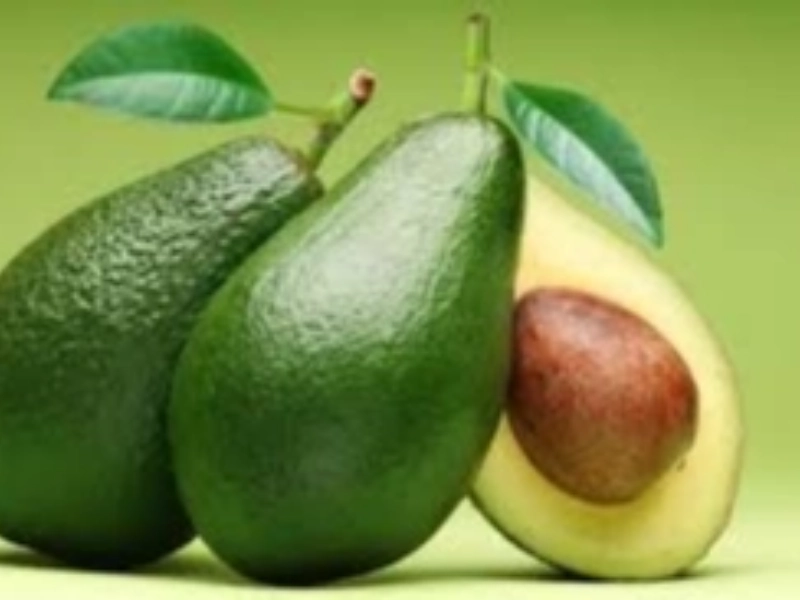 You may find avocados marked "SlimCado" when you visit your neighborhood store. These are not typical lawyers; These are low-calorie varieties that are touted as a better, slimmer choice.
Just one avocado actually contains a good amount of fiber, potassium, magnesium, vitamin C, vitamin E, folic acid, vitamin K1, phytosterols and lutein/zeaxanthin, in addition to healthy fats for the heart. A 2021 study published in Nutrients suggests that high intake of these nutrients may help reduce the risk of heart disease.
Gently press the skin of an avocado to check for ripeness; a soft lawyer will give way to pressure. Store it at room temperature until you're ready to use it, such as when you want to add it to your favorite salad or make guacamole.
You may find avocados marked "SlimCado" when you visit your neighborhood store. These are not typical lawyers; These are low-calorie varieties that are touted as a better, slimmer choice.
Just one avocado actually contains a good amount of fiber, potassium, magnesium, vitamin C, vitamin E, folic acid, vitamin K1, phytosterols and lutein/zeaxanthin, in addition to healthy fats for the heart. A 2021 study published in Nutrients suggests that high intake of these nutrients may help reduce the risk of heart disease.
Gently press the skin of an avocado to check for ripeness; a soft lawyer will give way to pressure. Store it at room temperature until you're ready to use it, such as when you want to add it to your favorite salad or make guacamole.